
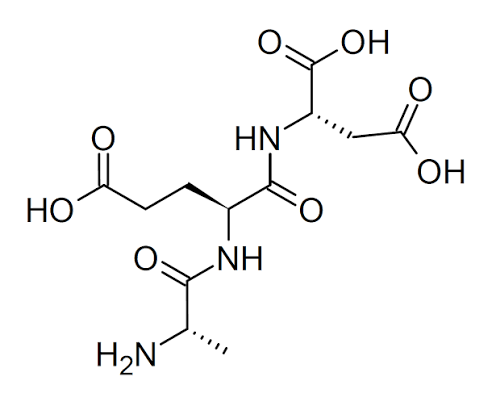
Quick answer: Cartalax is a synthetic tripeptide made of alanine, glutamic acid, and aspartic acid (Ala-Glu-Asp, or AED). It belongs to the Khavinson family of short-peptide bioregulators and is studied in laboratory models of gene expression and cellular aging. It is a research compound, not an approved medicine.
This page is the starting point for everything we publish on Cartalax. It explains the basics, clears up the naming, and points you to the right guide for your question.
What Is Cartalax?
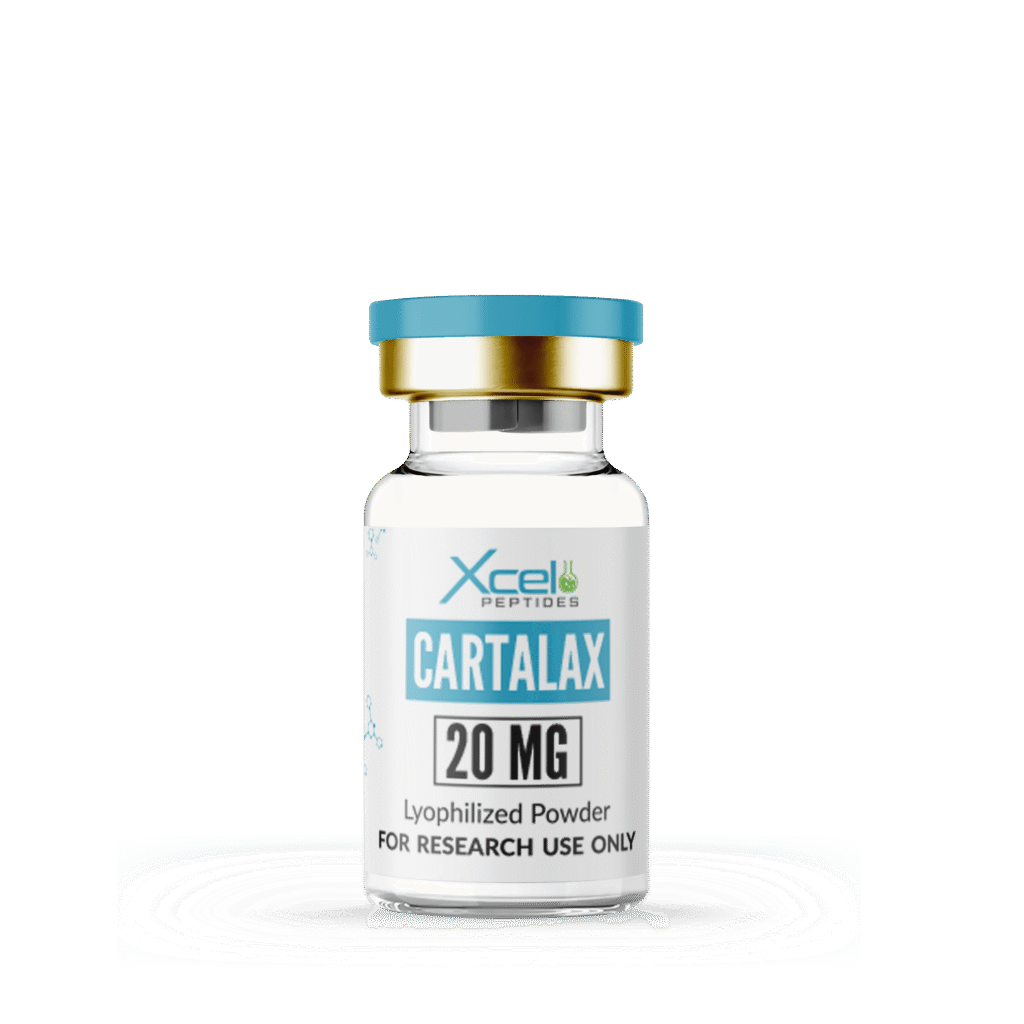
Cartalax is a short peptide with three amino acids in a fixed order: Ala-Glu-Asp. Researchers developed it as the cartilage-linked member of a group of small peptides, each matched to a particular tissue. Scientists use it as a reference compound in cell-culture studies.
Cartalax at a Glance
- Names: Cartalax, AED, T-31
- Sequence: Ala-Glu-Asp
- Type: Synthetic tripeptide
- Approximate molecular weight: 333.3 g/mol (calculated)
- PubChem CID: 87815447
- Family: Khavinson short-peptide bioregulators
- Status: Research compound, not FDA approved
Where Does Cartalax Come From?
Vladimir Khavinson and his colleagues in Russia developed Cartalax within a program on short peptide bioregulators. The program’s core idea is that very short peptides can influence gene expression in specific tissues. Related members of the family include Vilon, Vesugen, Pinealon, and Livagen.
Researchers still debate this idea, and independent replication of the original work is limited. Treat it as an active research hypothesis.
Why Do So Many Products Share the Name Cartalax?
The name covers more than one kind of product, and that causes confusion. Here is how to tell them apart.
- Pure AED peptide: A lyophilized powder containing the defined Ala-Glu-Asp sequence, sold for research
- Mixed peptide capsules: Products that contain a broader cartilage-derived peptide complex, often sold as supplements in some regions
- Brand-name variations: Listings that use “Cartalax” loosely without stating a sequence
Always look for the full sequence and a batch-matched certificate of analysis. A listing that gives neither is hard to trust.
A Timeline of Selected Cartalax Research
The published work sits mainly in cell cultures and animal tissue. These papers appear in the reference list on the Cartalax entry on Wikipedia.
- 2015: A study on peptide regulation of cell renewal in kidney tissue cultures from young and old animals
- 2016: A review titled “Short Peptides Regulate Gene Expression”
- 2020: A paper on gene expression in aging human mesenchymal stem cell cultures and how short peptides modulate it
- Undated entries: A study on peptide regulation of skin fibroblast functions during aging in vitro
Please read the original papers before citing them, since this list gives only titles and topics.
How Does Cartalax Compare With Other Bioregulators?
Each member of the family has its own sequence and research focus.
- Cartalax (AED): Tripeptide linked to cartilage-related research
- Vesugen (KED): Tripeptide linked to vascular research
- Pinealon (EDR): Tripeptide linked to neuronal cell research
- Vilon (KE): Dipeptide linked to immune-cell research
- Epitalon (AEDG): Tetrapeptide linked to pineal research
The letters look alike, so mix-ups are common. Check the full sequence on every product page and COA.
Explore Our Cartalax Guides
Choose the guide that fits your question.
- Cartalax Peptides: A deeper look at the sequence, the proposed mechanism, and the limits of the evidence
- Cartalax Peptide Benefits: What laboratory studies observed and why human benefits remain unproven
- Buy Cartalax USA: A research buyer’s guide to quality, legality, and ordering
- Cartalax (Bioregulator): The product page, with specifications and a batch-matched COA
How Do You Check the Quality of Cartalax?
A certificate of analysis (COA) is your best check. Match the batch number to your vial, look for one clean HPLC peak, confirm the mass spectrometry result fits the AED sequence, and check the test date. Browse reports on our COA page.
Cartalax Glossary
AED: The three-letter shorthand for the sequence alanine, glutamic acid, aspartic acid.
Bioregulator peptide: A short peptide of two to four amino acids, designed to match a tissue-specific fraction.
COA: A certificate of analysis, a lab report for one specific batch.
HPLC: A test that separates a sample’s components and measures how much is the target compound.
Lyophilized: Freeze-dried, the stable powder form most research peptides ship in.
Tripeptide: A peptide made of exactly three amino acids.
Frequently Asked Questions About Cartalax
What is Cartalax? Cartalax is a synthetic tripeptide with the sequence Ala-Glu-Asp (AED). Researchers study it in cell models of gene expression and aging.
What does Cartalax stand for? The name is a brand name for the AED peptide. The “cart” part reflects its link to cartilage-related research.
Is Cartalax the same as T-31? Yes. T-31 is another name for the same AED tripeptide.
Is Cartalax FDA approved? No. It is a research compound, and no regulator has approved it for any use.
Is Cartalax a supplement? In research settings, no. Some regions sell products under the same name as supplements, and those are often mixed-peptide products.
Where can I learn more about Cartalax? Start with our guides to Cartalax peptides and Cartalax peptide benefits.
Where can I buy research-grade Cartalax? Xcel Peptides supplies Cartalax (Bioregulator) for laboratory use, with a batch-matched COA.
Questions About Cartalax or Your Order?
If you need help reading a COA, choosing a size for a study, or checking shipping to your region, ask us. Our team replies within one business day.
Email us at info.xcelpeptide@gmail.com, use the contact form, or browse the Bioregulators category.
Disclaimer: Xcel Peptides supplies Cartalax and related compounds for laboratory and research use only. They are not drugs, dietary supplements, or food, and are not intended for human or animal consumption, or for diagnostic or therapeutic use. This article is informational and does not constitute medical or legal advice.

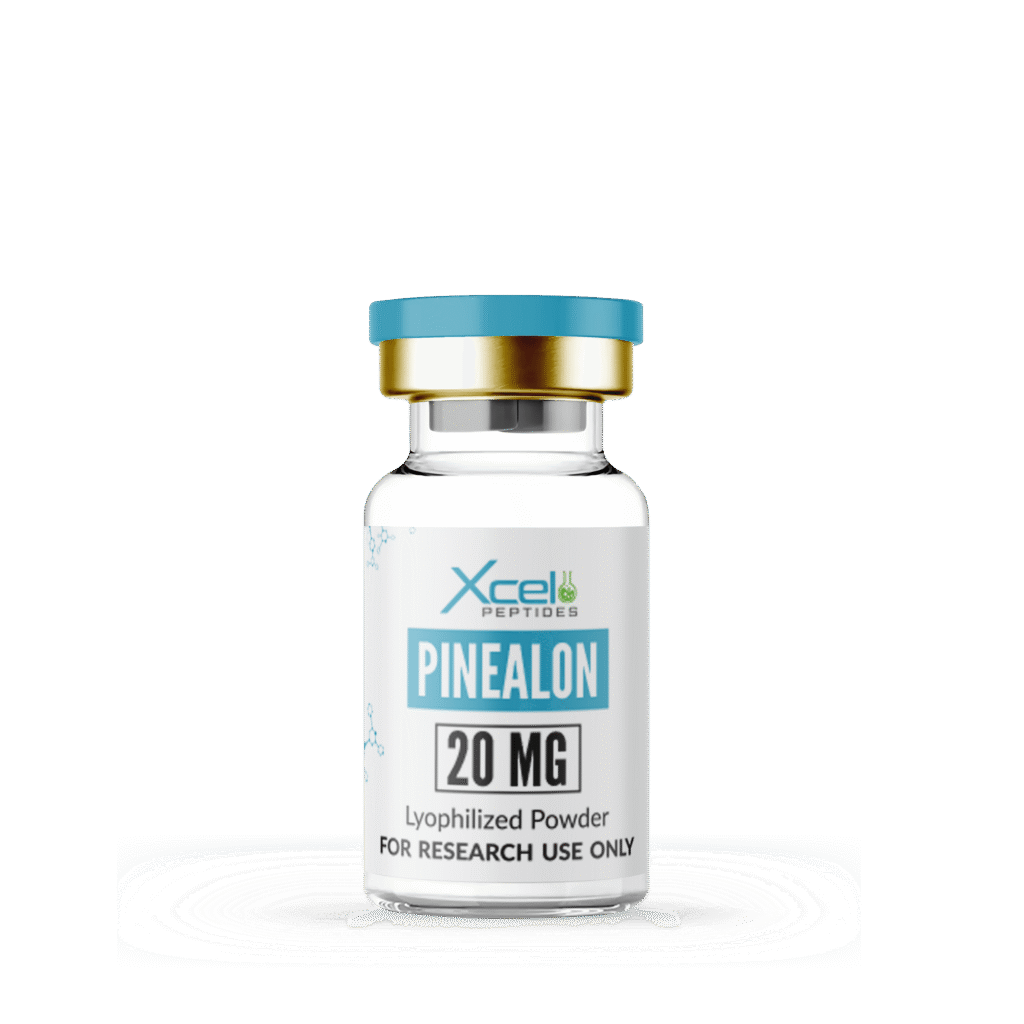
Pinealon (Bioregulator)
Pinealon (Bioregulator) from Xcel Peptides
Xcel Peptides supplies Pinealon as a lyophilized bioregulator peptide for laboratory use. We test every batch independently before release, and we publish the certificate of analysis on this page, matched to the batch number on your vial.


